


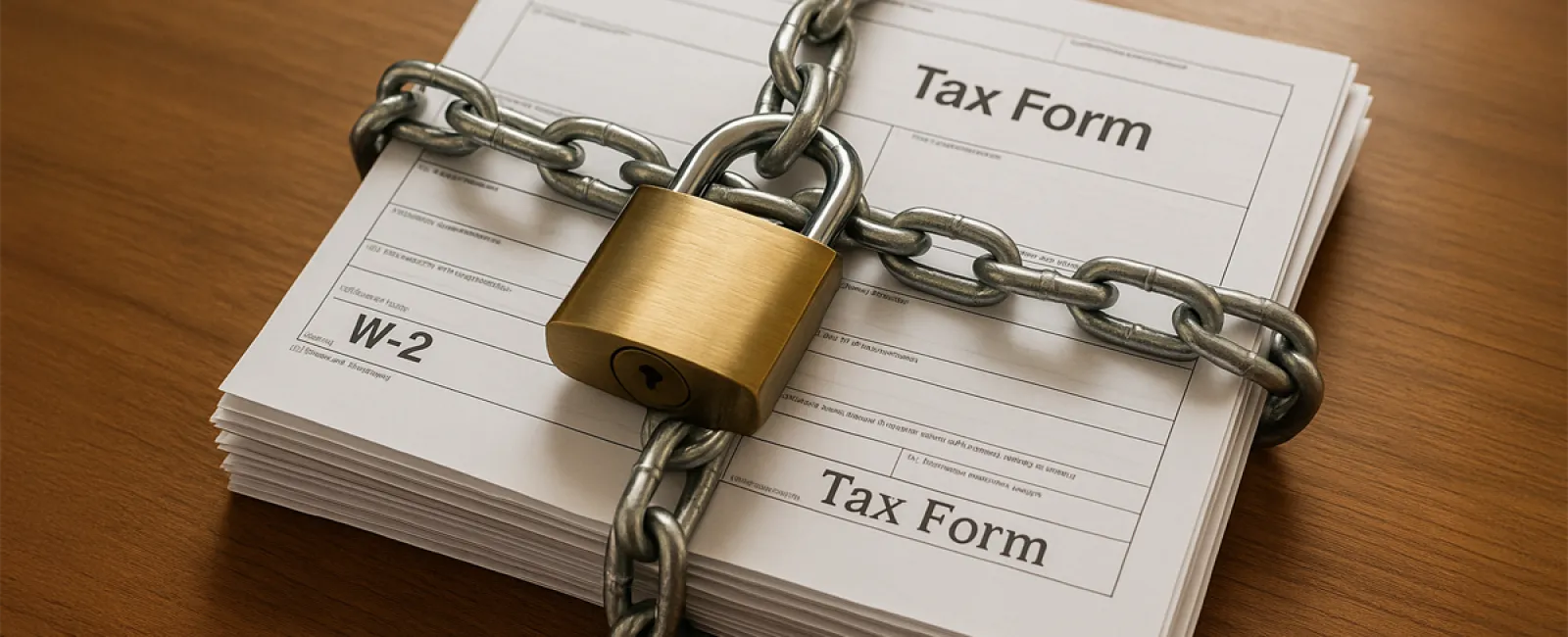
February marks the height of tax season. Your accountant is busier than ever, your bookkeeper is gathering crucial documents, and everyone is focused on W-2s, 1099s, and looming deadlines.
However, the real challenge often comes earlier and not from paperwork but from scams targeting businesses like yours.
Among these threats, one particularly deceptive scam appears even before April, preying on small businesses with ease and authenticity. It could already be lurking in someone's inbox.
Understanding the W-2 Phishing Scam
Here's how this scam unfolds:
A member of your team, often payroll or HR personnel, receives an email seemingly from the CEO, owner, or another senior executive.
The email is brief and pressing:
"I need copies of all employee W-2s for an urgent meeting with the accountant. Please send them over immediately as I'm tied up today."
The message appears legitimate. The tone is appropriate, the urgency seems justified amid tax season, and the request itself sounds reasonable.
Trusting this, your employee forwards the W-2 forms.
In reality, the email was sent by a fraudster using a spoofed address or a nearly identical domain.
Now, this criminal possesses vital employee information:
• Full names
• Social Security numbers
• Residential addresses
• Salary details
All of which can be exploited for identity theft and filing fraudulent tax returns before your employees can.
Consequences of Falling Victim
Typically, the scam reveals itself when your employee files their tax return only to have it rejected with a message such as "Return already filed for this Social Security number."
Someone else has already filed in their name and claimed their refund.
This plunges your employee into a complicated and stressful process involving the IRS, credit monitoring, identity theft protection, and a mountain of paperwork — all due to a document they unknowingly sent.
Imagine this scenario multiplied across your entire workforce, then explaining that their sensitive data was exposed because of a deceptive email.
This situation extends beyond security—it strikes at trust, creates HR challenges, risks legal action, and damages your company's reputation.
Why the W-2 Scam Is So Effective
This scam isn't a crude, obviously fake message like the typical Nigerian prince email.
Its success lies in several factors:
• The timing is impeccable. Requests for W-2s are expected in February, so asking for them now raises no suspicions.
• The request sounds reasonable, unlike demands for wire transfers or gift cards.
• The urgency seems natural: "I'm slammed today" echoes a busy office environment.
• The sender appears authentic. Fraudsters research targets, often knowing key names like your CEO or accountant.
• Employees want to help, especially when the request seems to come from leadership, which often leads to bypassing verification.
Steps to Safeguard Your Business Before Scams Strike
The good news is prevention is possible — more through policy and culture than technology alone.
Implement a strict "no W-2s via email" policy. Under no circumstances should sensitive payroll documents leave your company via email attachments. If someone requests them through email, firmly say "no," even if the request appears to come from the CEO.
Always verify sensitive requests through a second communication channel—whether a phone call, face-to-face conversation, or chat message—using known contact information, not details from the suspicious email. This simple step takes just 30 seconds but can prevent months of remediation.
Hold a brief tax-scam awareness meeting immediately. Don't wait until closer to the tax deadline. Inform payroll and HR staff about the surge in scams, their characteristics, and the appropriate response procedures. Awareness acts as invaluable insurance.
Secure payroll and HR systems with multi-factor authentication (MFA) on all platforms handling employee data. MFA acts as a critical blockade if credentials are compromised.
Promote a verification-first culture within your organization. Employees who double-check unusual leadership requests should be recognized and encouraged, creating an environment where scams struggle to succeed.
These five straightforward but powerful measures can be quickly adopted and will significantly reduce your risk during tax season.
Looking Beyond the W-2 Scam
The W-2 scam is only the beginning.
From now until April, anticipate a surge of tax-related cyber threats like:
• Fraudulent IRS notices demanding immediate payments
• Phishing emails disguised as tax software upgrades
• Spoofed messages from supposed accountants containing harmful links
• Fake invoices designed to look like legitimate tax expenses
Cybercriminals exploit tax season because people are distracted, moving quickly, and financial requests seem routine.
Businesses that navigate tax season without incidents aren't lucky — they are prepared with strong policies, regular training, and systems that flag suspicious activity before damage occurs.
Is Your Business Prepared for Tax Season Threats?
If you already have robust policies and your team knows what to watch for, congratulations—you're ahead of many small businesses.
If you don't, now is the critical time to take action before the first scam hits.
If this resonates with your business, schedule a 15-minute Tax Season Security Check now.
During this free consultation, we'll examine:
• Payroll and HR access controls including MFA
• Your procedures for verifying W-2 requests
• Email defenses that identify and block spoofed senders
• The crucial policy adjustment many organizations overlook
Even if your business is already protected, feel free to share this information with someone who might benefit. It could save them from a costly disaster.
Click here or give us a call at 817-589-0808 to schedule your free 30-Minute Discovery Call.
After all, tax season is stressful enough—there's no need to face it alongside identity theft.


